

Luxury travel is all about experience, exclusivity, and elegance.
Whether it’s five-star hotels, private islands, or bespoke tours, high-end travellers expect the best.
If your brand offers these premium services, being found online is essential.
That’s where SEO (Search Engine Optimisation) comes in.
In this article, we’ll look at the best luxury travel SEO advice for businesses.
We’ll keep it simple and focus on how to improve your online visibility, attract the right visitors, and turn clicks into clients.
Why SEO Matters for Luxury Travel

SEO is essential for luxury travel businesses because high-end clients often begin their journey online.
They search for bespoke holidays, exclusive resorts, and tailored experiences, usually through Google or other search engines.
If your website doesn’t appear near the top of search results, you risk being overlooked, no matter how premium your service is.
Unlike paid ads, SEO brings organic traffic that grows over time.
It also builds trust.
A site that ranks highly is often seen as more credible and established, which matters in the luxury space.
These travellers value detail, quality, and reliability.
Good SEO helps attract the right visitors, those actively seeking premium experiences.
By targeting specific, high-intent keywords and offering engaging, elegant content, your business can stand out in a crowded market.
Luxury Travel SEO Advice
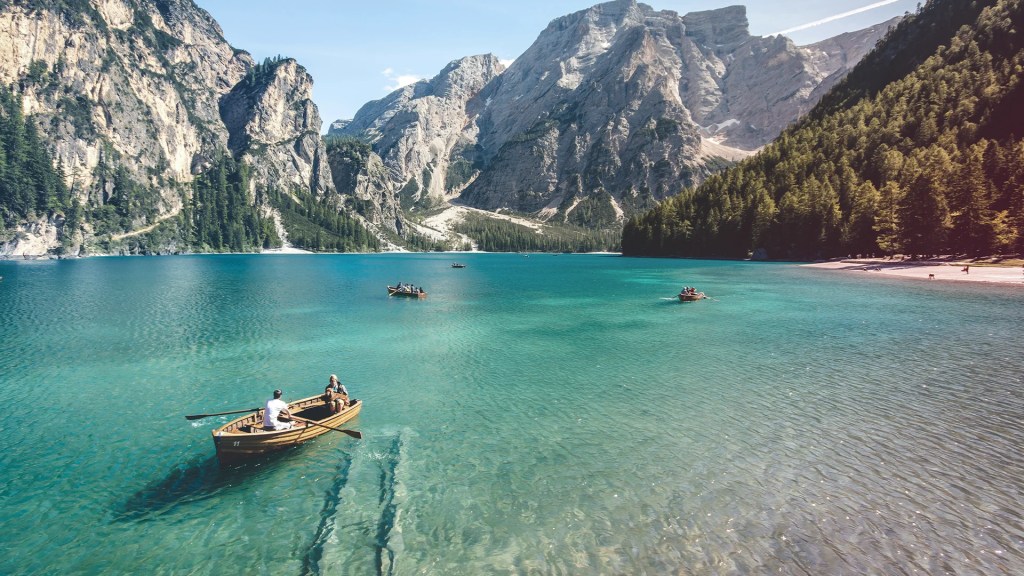
Luxury travel is a highly competitive space, and standing out online requires more than a beautiful website.
SEO is essential if you want high-end travellers to find your brand.
From keyword research to website design, every part of your digital presence plays a role.
Below is clear, practical SEO advice tailored specifically to luxury travel businesses.
Understand Your Audience
Before you begin making changes to your website or writing new content, you must understand who your audience is.
The luxury travel audience is very different from the typical holidaymaker.
They are not interested in budget deals or package tours.
Instead, they seek quality, exclusivity, comfort, and unique experiences that reflect their lifestyle and values.
Spend time defining your ideal client.
Are they wealthy couples planning honeymoons?
Are they solo travellers interested in wellness retreats?
Or are they families looking for private villas and curated experiences?
Consider their age, income level, interests, and the kinds of destinations they’re likely to explore.
Think about the types of experiences that appeal to them, such as spa retreats, gourmet dining, or luxury safaris.
Understanding your audience will allow you to tailor your SEO strategy, including the keywords you target and the content you produce.
Focus on High-Intent Keywords
In luxury travel, it’s not about attracting the largest number of visitors.
It’s about attracting the right visitors – those who are more likely to book your services.
This is where high-intent, long-tail keywords come in.
Rather than using broad and generic terms like ‘beach holiday’ or ‘best travel destinations’, use specific phrases that reflect the luxury nature of your services.
Examples include ‘luxury villa rental in Tuscany’, ‘private yacht charter in the Caribbean’, or ‘exclusive safari lodges in South Africa’.
These phrases are used by people who already know what they want and are ready to spend.
Tools like Google Keyword Planner and Ahrefs can help you find high-intent keywords with moderate competition.
Always prioritise relevance over traffic volume.
It’s far more valuable to have 100 qualified visitors than 1,000 who aren’t likely to convert.
Optimise Your Website for a Luxury Appeal
Your website is often the first impression potential clients will have of your brand.
In the luxury market, appearance and experience are everything.
An elegant, well-designed site not only improves user experience but also builds credibility and trust.
Make sure your website loads quickly and works seamlessly on all devices.
Use high-resolution images and videos that showcase your destinations or experiences in their best light.
Choose a clean, sophisticated design that reflects your brand’s quality and professionalism.
Your copy should be clear, informative, and beautifully written.
Avoid pushy sales language. Instead, focus on storytelling, benefits, and emotional appeal.
Make it easy for users to navigate your site and encourage them to take the next step, whether that’s requesting a quote, calling your team, or filling out an enquiry form.
Create Quality Content That Inspires
Content plays a major role in luxury travel SEO.
High-quality, inspiring content not only improves your search rankings but also helps build trust and connect with your audience on a deeper level.
Instead of just writing blog posts, think about creating a variety of content types that showcase your expertise.
This could include destination guides, sample itineraries, video tours, guest stories, and travel trends.
Make sure each piece of content reflects the exclusivity, personalisation, and detail that luxury clients expect.
Optimise all content using natural keyword placements in titles, headings, and the main body.
Quality and relevance should always take priority over keyword stuffing.
Use On-Page SEO Best Practices
On-page SEO is all about ensuring each part of your website is correctly set up to be found and indexed by search engines.
Some of the most important elements include:
- Page Titles and Meta Descriptions: These appear in search results and should be both descriptive and enticing. Include your main keyword naturally and appeal to the user’s desires.
- Headings (H1, H2, H3): Structure your pages with clear headings. Your H1 should contain your main keyword, and subheadings should support related phrases.
- Alt Text for Images: Add descriptive text to your images, using relevant keywords. This helps with image search and accessibility.
- Internal Linking: Link between relevant pages and blog posts to guide users and keep them on your site longer.
- URL Structure: Keep your URLs short, descriptive, and easy to read. For example, http://www.yourluxurybrand.com/private-villa-mykonos is better than http://www.yourluxurybrand.com/page-id=2356.
Showcase Trust and Authority
Luxury travellers need to trust you before they book.
Your website should include trust signals that reflect your credibility and quality of service.
These may include client reviews, testimonials, press mentions, awards, or logos of well-known partners.
If you’ve been featured in major publications or travel platforms, highlight that prominently.
Also, display your contact details clearly and offer personal consultations or bespoke trip planning to build confidence.
Build Backlinks from Quality Sources
Backlinks are links from other websites to yours, and they’re a key part of Google’s ranking algorithm.
For luxury travel, aim to get backlinks from high-end and relevant sources, such as luxury travel blogs, lifestyle magazines, tourism boards, and respected directories like Virtuoso or Forbes Travel Guide.
Ways to build backlinks include guest posting, offering expert quotes to journalists, or being featured in editorial pieces.
Always prioritise quality over quantity – a single link from a well-known publication is more valuable than dozens from low-quality sites.
Optimise for Local and Global Search
Luxury travel is often destination-driven.
People search for experiences in specific places, so it’s a good idea to create location-specific pages.
Each destination page should include relevant keywords, beautiful images, and detailed descriptions of what you offer in that region.
Use headings such as ‘Luxury Honeymoons in Santorini’ or ‘Private Tours in Japan’ to attract destination-specific traffic.
If you have a physical office or offer location-based services, make sure to optimise your Google Business Profile for local SEO.
Mobile Optimisation Is a Must
Today’s travellers use their phones to search, browse, and book trips.
A website that doesn’t perform well on mobile devices will lose clients and search rankings.
Ensure your site loads quickly on smartphones, is easy to navigate, and looks just as good on small screens as it does on a desktop.
Add mobile-friendly buttons for enquiries or phone calls and make booking processes simple and smooth.
Use Structured Data for Better Visibility
Structured data, or schema markup, is a bit of code that helps search engines better understand your content.
It can also lead to rich snippets, which display extra information in search results, like reviews, pricing, or FAQs.
Adding structured data can increase your click-through rate and help your listings stand out.
If you’re using WordPress, there are plugins to help you implement it without touching code.
Monitor and Improve Your SEO Regularly
SEO isn’t something you do once and forget.
Search algorithms change, competitors adjust, and user behaviour evolves.
Use tools like Google Analytics, Google Search Console, and SEMrush to track your performance.
Look at your top-performing pages, your bounce rates, and your conversion rates.
See which keywords bring in the best traffic and update underperforming content regularly.
Treat your SEO as a long-term investment that grows with attention and care.
Social Media and Email for Luxury Travel SEO Support

While social media and email marketing may not directly influence your search engine rankings, they play a valuable supporting role in a strong SEO strategy – especially in the luxury travel sector.
These channels help drive traffic to your website, increase engagement, and improve brand visibility, all of which are positive signals for search engines.
Social Media
Social media platforms like Instagram, Pinterest, and Facebook are ideal for showcasing the beauty and exclusivity of your travel experiences.
Stunning images, client stories, and behind-the-scenes content can inspire potential travellers and encourage them to visit your site for more information.
Sharing blog posts and landing pages on social platforms can also help generate backlinks and increase reach.
Email marketing is equally powerful.
Regular newsletters with curated travel ideas, exclusive offers, and links to new blog content can keep your audience engaged and bring repeat traffic to your website.
These repeat visits build trust and improve SEO performance over time.
Together, social media and email marketing create a feedback loop that supports your content strategy, boosts your site traffic, and enhances your overall online presence – making them valuable tools in any luxury travel SEO plan.
Common Luxury Travel SEO Mistakes to Avoid

Even the best intentions can lead to poor results if your SEO strategy contains avoidable errors.
Here are some of the most common mistakes made by luxury travel businesses and how to steer clear of them.
Targeting Keywords That Are Too Broad
Using generic keywords like ‘holiday’ or ‘travel’ may seem like a good idea, but they are extremely competitive and too vague.
Instead, focus on more specific, long-tail phrases that reflect luxury intent, such as ‘private island escapes’ or ‘luxury ski chalet in the Alps’.
Ignoring Mobile Users
A mobile-friendly website is no longer optional. If your site doesn’t work well on smartphones or tablets, you’ll lose both users and rankings.
Ensure your design adapts to all screen sizes and loads quickly on mobile devices.
Publishing Low-Quality Content
Avoid duplicating content or stuffing pages with keywords.
Focus on creating original, valuable material that answers your audience’s questions and inspires them to take action.
Forgetting Metadata
Page titles and meta descriptions are key to both visibility and click-through rates.
Make sure each page has unique, keyword-rich metadata.
Overlooking Site Speed
Slow websites frustrate users and are penalised by search engines.
Regularly check and improve your site’s loading times.
Conclusion
You should now have more of an understanding of luxury travel SEO.
Luxury travel SEO isn’t just about ranking higher – it’s about reaching the right people, at the right time, with the right message.
When done well, it brings high-quality traffic that’s more likely to convert into loyal, high-spending customers.
By understanding your audience, focusing on quality over quantity, and applying SEO best practices, you can elevate your online presence and grow your business.
Whether you manage it in-house or work with experts, SEO should be a key part of your marketing strategy.
In the world of luxury, attention to detail is everything, and that includes your SEO.
For more information, or help with all of your marketing needs, get in contact with us at Neon Atlas today.

 Neon Atlas Digital Marketing
Leave a comment