
Sports have a unique power to captivate people – from the excitement of a big match to the loyalty fans show their favourite teams.
It’s no wonder that businesses built around sports are tapping into this passion through sportspreneur marketing.
This term refers to the marketing strategies used by sports entrepreneurs (or ‘sportspreneurs’) to grow their ventures.
In simple terms, a sportspreneur is someone who creates and runs a business in the sports industry, whether it’s launching an athletics gear startup, managing a sports app, or building a personal brand as an athlete.
Marketing for such ventures goes beyond ordinary advertising; it’s about leveraging the enthusiasm and community spirit of sports to build a brand.
In this article, we’ll explore what sportspreneur marketing means, why it’s important, real-world examples of it in action, practical tips, benefits, common mistakes, and more – all in an easy-to-understand way.
What is Sportspreneur Marketing?
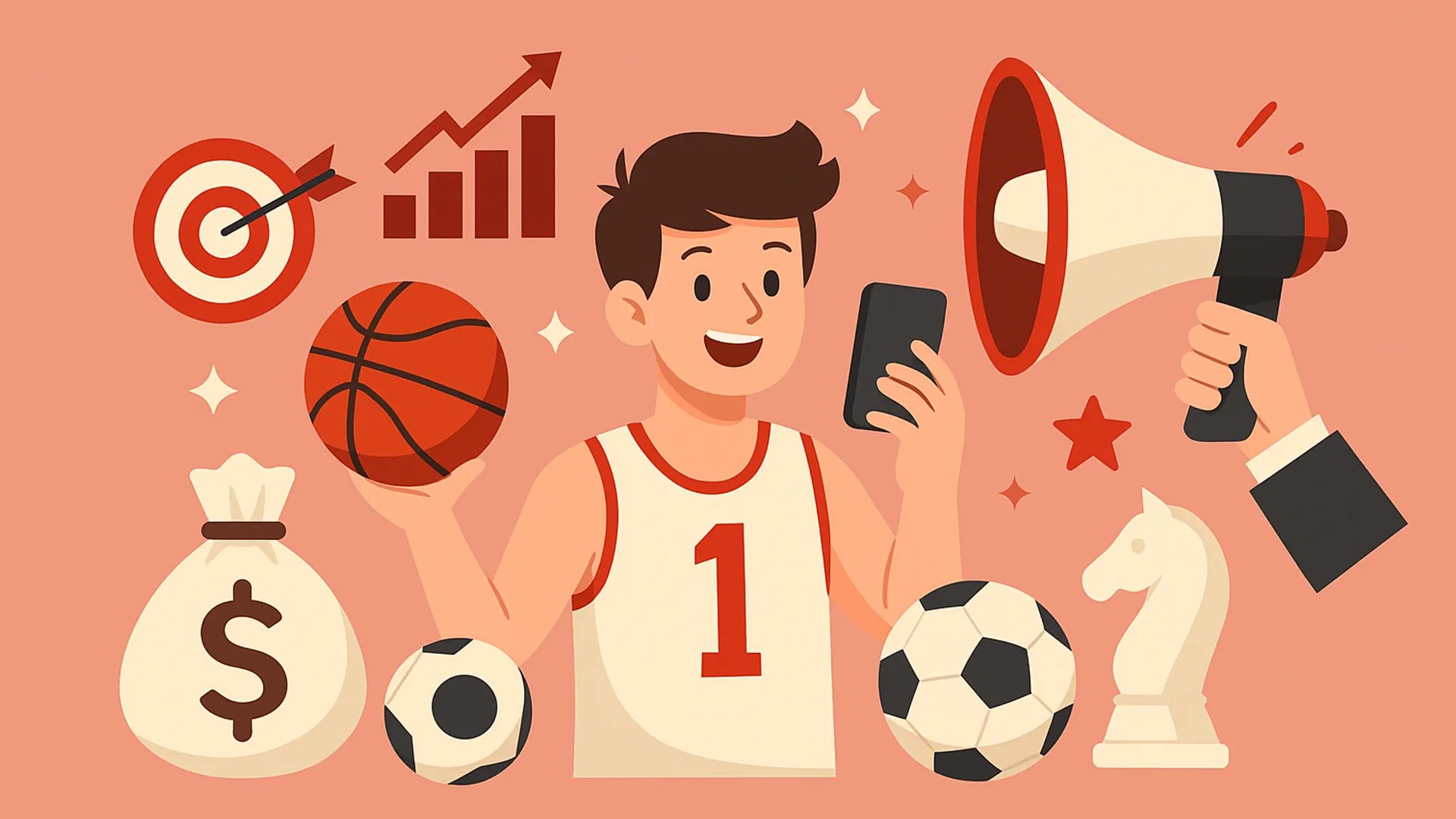
Sportspreneur marketing is the practice of promoting and growing a sports-related business (a sports startup, product, service, or personal brand) using strategies that tap into the world of sports.
A sportspreneur is essentially a sports entrepreneur – someone who organises and operates a sport-focused business and takes on the risks involved.
Sportspreneur marketing, therefore, applies sports marketing techniques to an entrepreneurial venture.
Sports marketing itself is a branch of marketing that uses sports events, teams, or athletes to promote products and engage fans.
In the sportspreneur context, the focus is on a smaller-scale or emerging brand using those techniques.
It involves building a brand identity around sports values, engaging with fans as a community, and often aligning with sports culture to promote one’s offerings.
The goal is not only to sell a product or service, but to create a loyal fan base for the brand – much like a sports team has loyal supporters.
Why Sportspreneur Marketing is Used
Sportspreneur marketing is used because it can be incredibly effective – sports possess a built-in audience appeal that savvy entrepreneurs can harness.
Passionate Audience
Sports provide a powerful platform to reach a wide and passionate audience.
Associating a business with popular sports, teams, or athletes can greatly enhance brand visibility.
Companies large and small leverage the emotional connection fans have with sports to build loyalty and boost sales.
A well-placed campaign at a sporting event or an endorsement by an athlete can put a young brand on the map, because fans respond strongly to such ties.
Trust & Credibility
Sportspreneur marketing helps build trust and credibility.
If you are a sports entrepreneur (for example, a former athlete launching a product), using your sports story in marketing can win people’s confidence.
Sports are built on values like excellence, teamwork, and fairness; when a brand aligns itself with those values, it can benefit from a positive image.
Branding & Engagement
This approach is key because the sports industry is highly competitive and fast-moving.
To survive, sports startups need strong branding and engagement.
Sportspreneur marketing emphasises storytelling and community-building, which help smaller businesses differentiate themselves from big corporate rivals.
Active Community
Sportspreneur marketing is used because it builds an active community around a brand.
Unlike traditional customers, sports fans often behave like a community or even a family.
Effective sports marketing campaigns invite fans to participate – through social media challenges, fan clubs, local events, etc.
This not only increases engagement but also turns customers into brand advocates.
Real World Sportspreneur Marketing Examples

One of the best ways to understand sportspreneur marketing is to look at real-world examples of entrepreneurs who successfully used sports-oriented strategies to build their brands.
Under Armour: From Basement to Big Leagues
In 1996, Under Armour was born when former college football player Kevin Plank started selling moisture-wicking athletic shirts from his grandmother’s basement.
He drove up and down the East Coast of the USA with gear in the trunk of his car, personally convincing college teams to try his innovative shirts.
Under Armour’s marketing took off with a bold approach: they crafted the powerful message ‘Protect This House’ for their first major TV campaign.
The advertisement featured intense locker-room style chants and young athletes rallying together, capturing the fighting spirit of sport. It became a rallying cry for many teams and fans.
This shows sportspreneur marketing at work: Plank’s personal sports experience informed a product, grassroots hustle built early traction, and a message drawn from sports culture turned a startup into a household name.
Gymshark: Building a Fitness Community Online
Gymshark, a UK-based fitness apparel brand, was founded by teenager Ben Francis in 2012.
With little budget for traditional advertising, Gymshark grew through social media and influencer marketing.
The company sent free products to fitness YouTubers and Instagram influencers, who wore the gear and promoted it authentically.
Gymshark turned its followers into a community by consistently sharing workout content, hosting fitness events, and building strong brand identity.
This community-first approach helped Gymshark grow from a garage startup to a company valued at over £1 billion, showing how engagement and smart partnerships can drive huge success.
CR7: An Athlete’s Personal Brand Empire
Football superstar Cristiano Ronaldo used his fame and fanbase to build the ‘CR7’ brand.
From clothing and footwear to hotels and fragrances, CR7 became a standalone label.
Ronaldo’s consistent branding, massive social media presence, and connection to fans made his CR7 personal brand highly marketable.
Each social media post becomes a piece of marketing, and fans feel a personal connection with the brand.
By turning his identity into a product, Ronaldo became both entrepreneur and marketer, building a sports brand empire.
5 Sportspreneur Marketing Tips

Understanding sportspreneur marketing is vital for doing it successfully.
Here are five tips to get you started:
Identify Your Target Fans and Niche
Start by knowing exactly who you want to reach.
Whether it’s amateur footballers, parents of young athletes, or yoga enthusiasts, define your niche.
Understanding your audience means you can tailor your messaging, content, and product offering more effectively.
Build an Authentic Brand Story
Create a compelling narrative behind your business.
Why did you start it?
What does sport mean to you?
Sports fans value authenticity, so a real, human story resonates more than flashy ads.
Engage the Community and Fans
Encourage user-generated content, respond to comments, host online challenges, or support local events.
Building a brand community turns customers into brand ambassadors.
Leverage Digital Media and Partnerships
Make full use of social media, influencers, podcasts, and videos.
Collaborate with athletes, clubs, or sports influencers who share your values and can help amplify your message.
Measure Results and Adapt
Track engagement, sales, and campaign results.
Learn what works and tweak your strategy.
The sports world changes fast – so should your marketing game plan.
Sportspreneur Marketing Benefits

Sportspreneur marketing offers significant advantages:
Passionate Audience
Sports fans are loyal and emotionally invested.
Tapping into this passion can lead to strong engagement and brand loyalty.
Strong Brand Identity
Associating with sports values (strength, teamwork, discipline) helps create a brand that people admire and trust.
Community Building
Brands that foster communities see more customer retention and word-of-mouth marketing.
Authentic Engagement
Marketing through real stories and athletes feels more genuine, increasing the likelihood of customer trust.
Scalability
With digital tools, even small sports businesses can reach global audiences and grow fast with the right strategies.
Common Sportspreneur Marketing Mistakes
Avoid these common pitfalls:
Ignoring the Audience
Guessing your audience’s interests without data can waste resources.
Research your fans’ needs and habits.
Poor Branding
Inconsistent logos, messages, or tone across platforms can confuse your audience and weaken your identity.
Too Much Selling, Not Enough Storytelling
Constant promotion without genuine content or values can turn fans off.
Neglecting Digital Platforms
Most sports engagement happens online.
If you’re not using social media or mobile-friendly content, you’re missing out.
Not Tracking Performance
Failing to analyse your marketing performance can lead to wasted budget. Use analytics to guide your decisions.
Conclusion
Sportspreneur marketing blends the passion of sport with the power of entrepreneurial thinking.
Whether you’re a former athlete launching a product, a startup building a sports app, or a business promoting gear to fitness fans, the principles are the same: connect with your audience, tell an authentic story, and build a community.
The examples of Under Armour, Gymshark, and CR7 prove that great sports-based marketing doesn’t require big budgets – it requires clarity, creative marketing, and connection.
If you avoid the common pitfalls and focus on what makes your brand truly meaningful in the sports world, your venture has the potential to grow into something memorable and successful.
So whether you’re just getting started or looking to refine your strategy, remember: in sports and in business, it’s all about showing up, staying consistent, and playing with heart.
For more information on sportspreneur marketing, or help with any of your marketing needs, get in contact with us here at Neon Atlas Digital Marketing.

 Neon Atlas Digital Marketing
Leave a comment