

Network marketing (also known as multi-level marketing, or MLM) is a direct-selling business model in which a company’s products are sold by a network of independent distributors.
Distributors earn money not only from selling products directly to customers, but also from recruiting new sellers into their network.
In other words, participants pay a fee or buy a starter kit to join, and then make commissions on their own sales and on the sales of anyone they bring in.
This creates multiple levels of earnings.
For example, a distributor might earn 10% commission on their own sales and 2% of sales made by each recruit.
Although the approach dates back to the mid-20th century (the first widely recognised MLM plan was introduced by Nutrilite in 1945), it continues to evolve today with digital tools and social media marketing.
What is Network Marketing?

Network marketing is a business model that sits between direct selling and pyramid schemes.
In a typical MLM company, individuals become independent distributors (not employees) by signing up with the company.
This is often by buying a starter pack of products.
Once on board, a distributor sells the company’s products directly to end customers, usually at retail prices.
They keep the retail profit as their income.
If the distributor convinces a customer to join as another distributor, they start earning a commission from that recruit’s sales as well.
Distributors’ earnings come from two sources:
- Direct sales to customers.
- Commissions and bonuses from sales made by their recruits.
This creates layers of earnings.
A distributor might make 20% on each item they sell personally, and an additional 5% on each sale made by someone they recruited.
High-performing distributors can climb ranks which unlock larger commission rates.
Put simply, network marketing lets ordinary people sell company products under an existing brand.
It enables you to make money in sales without having to invent, manufacture, or source your own products.
You promote the company’s range, earn commission on your own sales, and typically earn a smaller override commission on sales from anyone you sponsor into the programme.
Because many companies already have large distribution networks (for example, established beauty firms), new distributors can tap into existing systems and marketing materials.
How Network Marketing Works
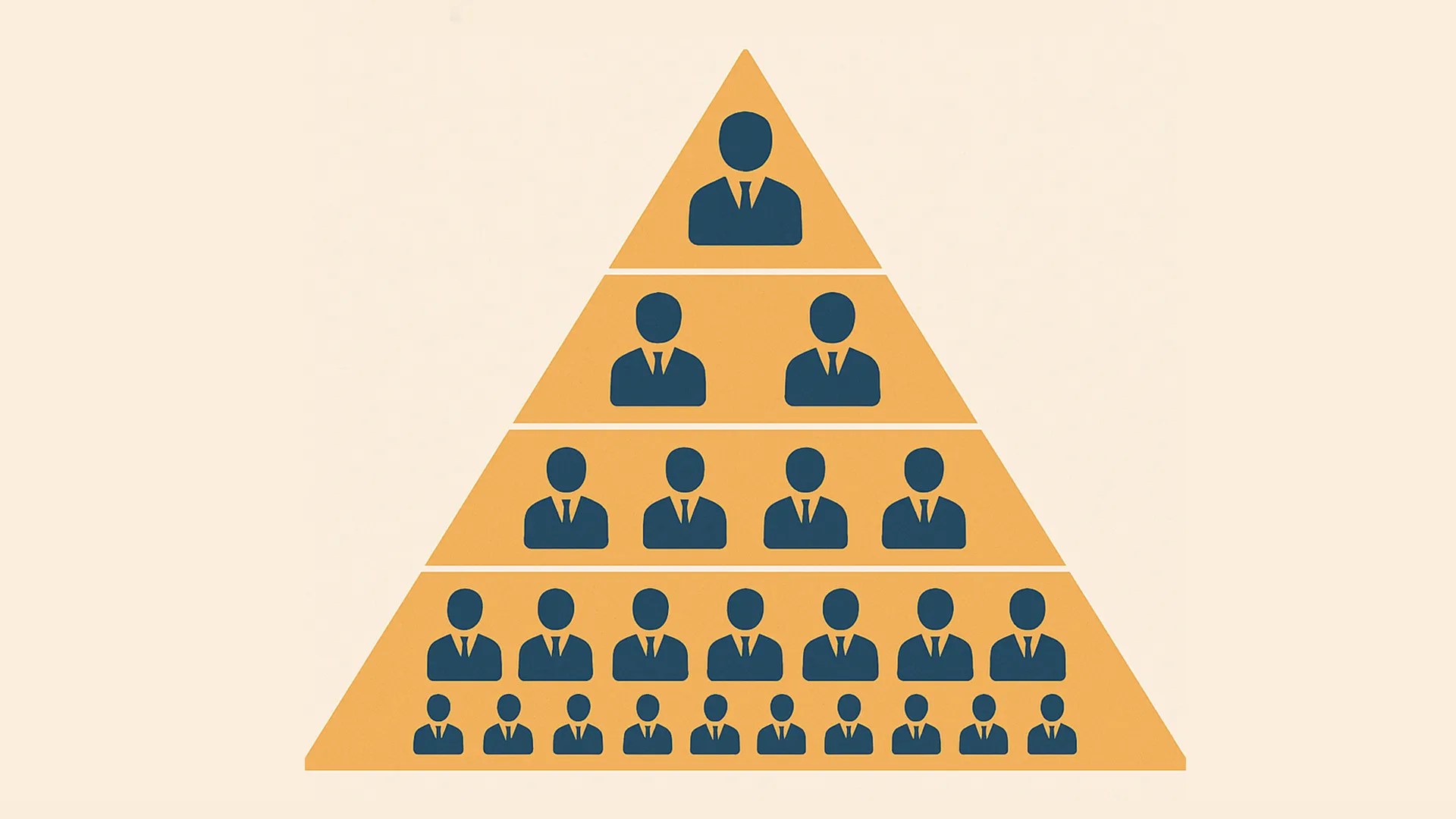
Network marketing usually follows a straightforward process.
While details vary by company, the typical model includes the following steps:
Join the Company
You sign up as an independent distributor.
Often you pay a one-time fee or buy a starter kit of products that you can sell.
This requires little capital compared to launching your own product line or opening a store.
Sell Products
You begin selling the company’s products directly to customers (friends, family, or the public).
You keep the profit margin on each sale.
Many distributors use in-home demonstrations or online marketing to find buyers.
Recruit Others
You are encouraged to recruit other people as distributors.
When someone you recruit sells products, you earn a commission on their sales too.
This might be a fixed percentage or part of their wholesale–retail markup.
Build a Team
As each recruit potentially recruits more people, your network grows into multiple levels.
You earn override commissions on sales from your recruits, their recruits, and sometimes even deeper layers.
This chain structure is why network marketing is also called multi-level marketing.
Advance in Rank
Companies often have rank levels.
As you and your team accumulate more sales volume, you move up ranks.
Higher ranks can come with bigger bonuses, greater profit margins, or leadership incentives.
Training and Support
Upline sponsors (the people who recruited you, and those above them) provide training on products, sales techniques and recruiting strategies.
Companies may also host conferences, webinars or online tools.
Team members share tips on social selling, and you can learn business skills as you go.
Network Marketing Examples
Many well-known brands have used the network marketing model.
These examples illustrate the variety of industries and products involved:
Amway
Founded in 1959, Amway is one of the largest global network marketing companies.
It sells health, beauty and home care products.
Independent Business Owners (IBOs) pay a fee to join and buy products at wholesale.
Amway distributors earn retail profit plus bonuses from recruits’ sales. Its success helped popularise the MLM model worldwide.
Tupperware
Famous for its plastic food containers and kitchenware, Tupperware built its brand on in-home party sales.
Distributors (often called ‘consultants’) host Tupperware parties where they demonstrate products to friends and family.
At each party they sell products at retail price and recruit new hosts.
Both hosts and new recruits can earn commissions from sales and further parties.
Herbalife
Herbalife is a nutrition and wellness company that operates in dozens of countries.
Its distributors often set up ‘nutrition clubs’ or one-on-one meetings to sell supplements and weight-management products.
In 2016 it agreed to restructure parts of its pay plan in response to regulatory action, with greater emphasis on retail sales.
Avon
One of the oldest direct-selling firms (founded in 1886), Avon uses a network marketing approach especially in developing markets.
Avon’s beauty consultants sell cosmetics and skincare through personal contacts, parties and now online.
They earn profit on their sales and can recruit other consultants under them.
Mary Kay
Founded in 1963, Mary Kay Cosmetics became famous for empowering women entrepreneurs.
Mary Kay beauty consultants sell makeup and skincare at home parties or through social media platforms.
The company rewards top sellers with trips and the iconic pink Cadillacs, reinforcing the aspirational side of network marketing.
Network Marketing Advantages

Network marketing offers several attractive benefits, especially for new entrepreneurs or small businesses:
Low Startup Costs
You don’t need to build a factory or rent a store.
Most programmes simply require a one-time signup fee or purchase of a modest starter kit.
With relatively small initial investment, you can begin operations quickly.
Stock, packaging and shipping are usually handled by the company, so your overhead is minimal.
Flexibility and Autonomy
Distributors can choose their own hours and work location.
There are typically no strict quotas or office hours.
This makes MLM a popular choice for people who want a side business or home-based work.
You act as your own boss, setting sales goals and strategy.
If you prefer to travel or work remotely, you can market products online or in your community at times that suit you.
Residual/Passive Income Potential
As you build your network, you may earn commissions from future sales by your downline.
You keep earning income from the same customer base over time.
For example, if you recruit two people who each bring in customers every month, you keep getting a small percentage of those sales without having to sell everything yourself.
Over time, successful distributors can generate ongoing income streams from the volume of their network’s sales, not just their personal selling efforts.
Training and Personal Development
MLM companies typically emphasise training, motivation and personal development.
You might attend workshops, seminars or online courses provided by the company or successful uplines.
These often focus on sales skills, marketing tactics, and leadership.
You can gain valuable experience in communication, negotiation and team management as you lead and mentor recruits.
Over time, you may develop abilities in public speaking, goal setting and business planning that benefit you even outside the MLM context.
Supportive Community
Most network marketing teams have a strong community culture.
Distributors often share tips on social media, celebrate each other’s milestones at team events, and motivate one another.
This sense of community can help keep people engaged.
Companies may offer incentives to top sellers, which can be fun and motivating.
For someone building confidence or sales experience, being part of an enthusiastic team can be encouraging.
Digital Reach
Today’s network marketing is highly digital.
You can promote products on social platforms and via e-commerce with minimal cost.
Many companies provide mobile apps, online stores and virtual training to help sellers reach customers globally.
This means a distributor in one city can sell to customers in another country, vastly expanding potential market size.
By leveraging online marketing, you can track sales and commissions instantly through dashboards, and train downline members via video calls.
Network Marketing Disadvantages

While there are benefits, there are also significant drawbacks to consider:
High Failure Rate / Low Earnings
The vast majority of participants earn very little.
Across many companies’ disclosures, most distributors make only modest amounts per month after expenses.
This means that for every overnight success story, there are hundreds who end up spending more on fees, products and travel than they earn back.
Network marketing income is usually highly skewed, with the few at the top make sizable profits, while the rest barely break even.
Mandatory Purchases and Inventory Risk
Many programmes require distributors to buy a certain amount of product each month to stay ‘active’ or to qualify for bonuses.
You may need to stock inventory or buy product packs for demonstrations.
If you cannot sell this inventory, you incur losses.
Unsold stock can become a financial burden or waste.
In the worst case, distributors end up with boxes of products in their garage that nobody wants to buy.
Recruitment Pressure and Market Saturation
To make meaningful money, distributors often feel pressured to recruit others constantly.
But recruiting friends and family can strain relationships.
People quickly grow wary of endless sales pitches.
Moreover, market saturation is common.
If too many distributors sell the same products in one area, sales dry up.
You may find yourself competing not just with other retailers, but with dozens of other distributors selling identical products.
This limits how much one person can earn in any given market.
Reputation and Legal Issues
The MLM business model is controversial.
Many consumers and regulators view it sceptically.
Some jurisdictions have taken action against schemes that emphasise recruitment over genuine retail sales.
Companies that cross that line face legal penalties and forced restructuring.
As a result, distributors can encounter scepticism or outright bans.
It’s important to ensure the company you work with follows all laws and industry rules.
Time and Effort vs. Reward
Building a successful MLM business usually takes a lot of hard work with uncertain payoff.
Many distributors drop out within months because they don’t see quick results.
Although it’s easy to join, there is a slow success rate and consistency is required.
You must consistently prospect for new customers, attend events, and handle rejection.
Without a solid customer base and large downline, commissions remain small.
This often means spending evenings and weekends on sales activities with no guarantee of covering your time or expenses.
Dependent on the Company
Your business success is tied entirely to the MLM company’s performance.
You cannot control product prices, marketing claims or legal compliance.
If the company suffers a scandal, your sales can collapse overnight.
You work for the MLM company (as an independent contractor), but with far less power or stability than a traditional employer.
Key Takeaways
Network marketing is a direct-selling model that blends personal sales with multi-level commissions.
It has enabled millions of people worldwide to start small businesses with relatively low upfront cost.
It leverages social media and online platforms to reach customers and recruits far beyond local circles.
For some entrepreneurs, its flexibility and community support are valuable advantages.
However, the model also has serious downsides.
The vast majority of distributors earn very little, and many fail to recover their investment.
The line between a legitimate MLM and an illegal pyramid scheme can be thin, so anyone considering this path should proceed with caution.
If you are considering network marketing for your business, weigh both sides carefully.
Ask whether your product is a natural fit for word-of-mouth sales (including electronic word of mouth), and whether you have a strong personal network to tap.
Make a sober assessment of the time and skills required.
Read company income disclosures and talk to current distributors.
Network marketing can work as a business channel – but it requires the same hard work, strategic thinking and due diligence as any other business venture.
Use it only if it aligns with your goals, and always go in informed and prepared.
For more information on network marketing, or help with any of your marketing needs, get in contact with us here at Neon Atlas.

 Neon Atlas Digital Marketing
Leave a comment