
Almost everyone looks online before buying anything.
In the UK, less than half of all very small businesses don’t even have a website.
This means they are effectively invisible when customers search online.
This shows how crucial digital marketing can be.
By using online ads, social media and search tools, a small company can reach thousands of potential customers cheaply.
Going digital is essential for survival in a crowded market.
The following sections explain what digital marketing is, why it matters for small firms, how to begin, and what to watch out for.
What is Digital Marketing?
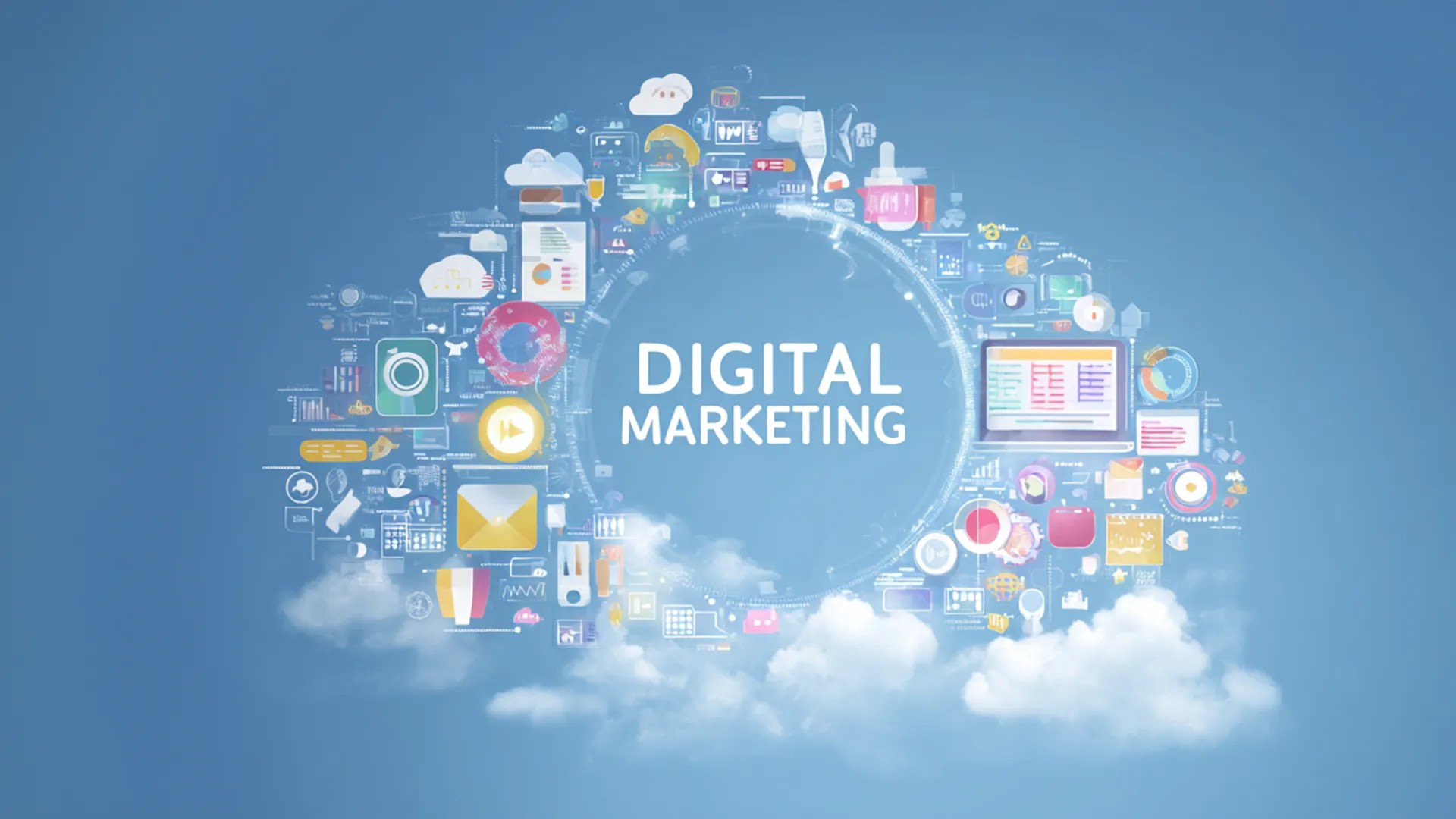
Digital marketing simply means using the internet and electronic devices to promote a business.
It covers everything from having a website and blog to running ads on Google, social media, email newsletters and online shops.
In other words, any marketing you do via computers, smartphones or tablets, instead of just via print or TV, is digital marketing.
This might include optimising your website to show up in search results, creating content on social media, or sending emails to past customers.
These channels let you meet customers on the devices they use every day.
Most UK internet users are active on social media and use Google regularly.
So with digital marketing you can reach almost everyone by meeting them online.
Why Digital Marketing for Small Businesses Could Save your Company
Small companies often can’t afford big TV or billboard campaigns, but digital marketing changes the game.
Online methods are much cheaper and more targeted.
If you don’t appear in online searches, you miss almost all potential customers.
A small retailer without a Google-friendly website or social media page will lose out to competitors who do have one.
By contrast, putting effort into online marketing can dramatically increase sales even on a tight budget.
Digital marketing allows you to compete with larger companies without needing a massive budget.
This can literally save a business.
Failing to adopt digital marketing risks being left behind, while embracing it can mean the difference between growing or closing.
How to Get Started Using Digital Marketing for Small Businesses
Getting started can seem hard, but you can break it into clear steps.
A simple plan might look like this:
Create or Improve Your Website
This is often the first step.
Make sure you have a basic website or online shop where customers can learn about you.
Today there are easy tools that let you make one with no coding knowledge.
At a minimum, secure a domain name and build a simple site with your services, prices and contact details.
Even a one-page site is better than nothing.
Set Up Tracking and Goals
Before spending on ads or content, install analytics on your site.
Free tools can show you how visitors find your site and what they do there.
Then set up specific goals, such as ’number of enquiries per month’, so you can measure if your marketing is working.
Without this data, you won’t know which online activities bring customers.
Tracking results also helps you adjust your strategy toward what actually works.
Claim Your Online Listings
Many customers find businesses via Google Maps or social media.
Make sure you register on Google Business Profile and on popular social media platforms such as Facebook or Instagram.
Fill in your address, opening hours and contact info.
This makes it much easier for locals to find you.
Neglecting online presence and digital marketing is a significant risk for new businesses because a good website and listings draw in customers.
Even if you are just a small shop or café, being on these platforms is essential.
Use Search Engine Optimisation (SEO) and Local Keywords
To appear in searches, choose keywords that your customers would use and put them naturally in your website text and page titles.
Good SEO practices include using clear headings, writing helpful content and getting other sites to link to you.
SEO might take time to pay off, but it can bring steady, free traffic.
Alternatively, consider a small local ad campaign on Google or Facebook to get immediate visits, but always use your analytics to track the return.
Create Valuable Content and Engage
Decide how to communicate with customers.
You could write simple blog posts answering common questions, post pictures of your products on social media, or send emails with offers to people who sign up.
Content doesn’t have to be complicated, as even basic posts or updates can build awareness.
Email marketing is especially cost-effective.
For example, you might send a newsletter or coupon to past customers.
The key is to stay consistent and focused on your audience.
If managing marketing alone feels like too much, consider outsourcing to a digital marketing company (like us here at Neon Atlas) or hiring a freelancer with experience.
Review and Adapt
Regularly look at your analytics reports to see what’s working and what isn’t.
Which webpage or post gets views?
Which ad brings clicks?
Adapt your plan based on these insights.
Also, set a small budget and reallocate it to the best-performing channel.
Over time, you will learn more about your customers and can refine your approach.
The Benefits Digital Marketing for Small Businesses
Digital marketing has a huge amount of advantages for your business.
These include:
Wider Reach
A website instantly gives you a global audience for very little extra cost.
Your shop is no longer limited to passers-by.
Anyone in the UK or even the world can find you online.
For example, posting on social media or running online ads means people in other cities or countries can discover your brand.
With most people now online daily, an online campaign can reach almost everyone in your market.
Lower Cost
Compared to TV or print ads, digital ads and social media posts can be very cheap or even free.
For a small business on a budget, this is a huge benefit.
You can start small with even a few pounds a day on social media ads, then scale up from there.
Email marketing is also very cheap and often yields a strong return.
Once you build a mailing list, sending promotions costs virtually nothing but can bring loyal repeat sales.
Measurable Results
One of the greatest perks is that you can track everything.
Online platforms provide analytics that show exactly how many people clicked your ad, which posts got attention, or how many sales you made from a campaign.
This means you’re never guessing.
You have real data.
If a particular ad or keyword isn’t working, you can change strategy.
This transparency helps you get more value from your marketing over time.
Better Targeting and Personalisation
Digital tools let you tailor your marketing to specific audiences.
On social media you can target ads by age, interests or location.
If you have repeat customers’ emails, you can send them personalised offers.
This personal touch builds customer loyalty and encourages repeat business.
Brand Building and Engagement
Being active online builds credibility.
Posting useful content and engaging with customers on social media makes your business seem approachable and modern.
This openness creates loyalty.
Happy customers can share your content with their friends.
Over time, good content can even go viral, amplifying your reach without extra cost.
Having a professional-looking website and social pages also makes a strong first impression, increasing engagement and attracting more customers automatically.
Possible Pitfalls of Digital Marketing for Small Businesses
While digital marketing for small businesses is a necessity nowadays, there are some common pitfalls to be aware of:
Need for Skills and Time
Digital marketing isn’t ‘set and forget’.
It requires learning new tools and constantly updating content.
Running campaigns properly takes time.
Writing posts, responding to comments, optimising ads and analysing data can become a lot of work.
Small businesses often have tiny teams, so this can stretch resources.
Without someone dedicated to it (or outside help), it’s easy for digital marketing tasks to pile up and not be done well.
Competition and Noise
The same global reach that is a benefit also means more competition.
Online, you are up against businesses everywhere.
Every day people see hundreds of ads and posts, so it can be hard to stand out.
A small company may find it challenging to grab attention among the many online messages.
To overcome this, your marketing must be creative, targeted or localised so it doesn’t get lost in the crowd.
Negative Feedback and Reputation
On social media and review sites, any customer complaint is instantly public.
Negative comments or poor reviews can be visible to your audience and damage your brand if not handled well.
This means you must monitor online mentions and respond politely and quickly.
A single bad review can go viral if ignored.
While digital marketing can build loyalty, it also requires vigilance in customer service.
Legal and Privacy Concerns
Online marketing comes with regulations.
In the UK, strict data protection laws govern how you collect and use personal data.
Breaching these rules can lead to fines or reputational harm.
There are also rules on advertising content, as claims must be honest and accurate.
You should research the requirements or seek expert advice to ensure compliance.
Over-Investment Without Results
Finally, there’s the risk of spending money on campaigns that don’t work.
Even though digital ads are flexible, inexperienced businesses can waste money if they don’t target properly or track results.
That’s why setting up analytics and starting with small tests is crucial.
Always check the data to make sure your digital spend is earning back profits.
Key Takeaways
Digital marketing is now an essential way for UK small businesses to survive and grow.
It lets you reach customers where they spend most of their time, often at a lower cost than traditional methods, and with clear data on what works.
By investing in a website, social media and targeted ads, you can tap into markets that were previously unreachable.
Of course, success won’t happen overnight.
It takes planning and patience.
But the alternative is stagnation.
The key message is this – in a digital-first world, embracing online marketing could quite literally save your business.
By starting small, focusing on the right channels and measuring your results, you give your company the best chance to thrive.
With diligence and creativity, digital marketing can help any small UK business grow, adapt and secure its future.
For more information on digital marketing, or help with your businesses marketing, get in contact with us here at Neon Atlas.

 Neon Atlas Digital Marketing
Leave a comment